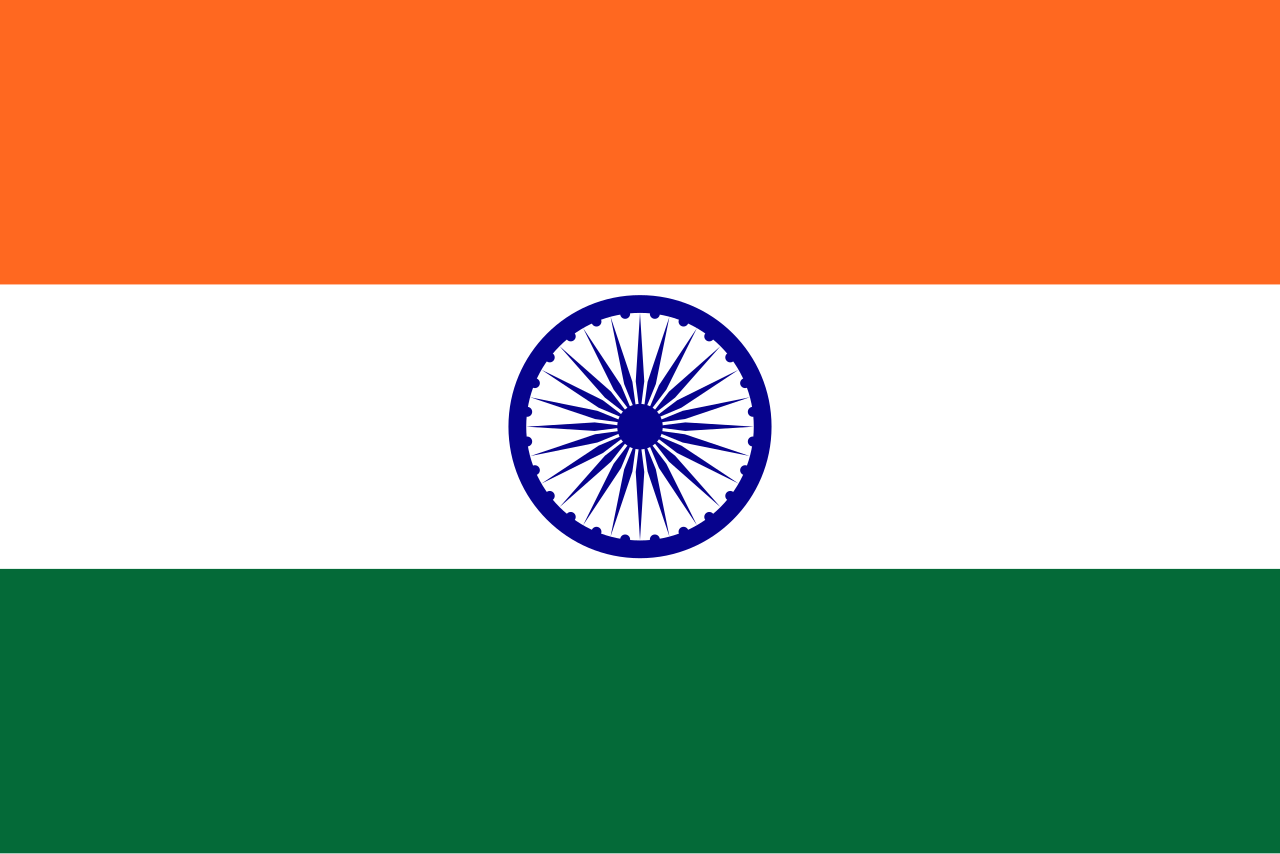
A Tapestry of Civilizations: Unveiling India's Enduring Legacy
India, a land often described as a subcontinent, is a vibrant mosaic of ancient history, breathtaking geography, diverse populations, and a rapidly evolving economy. Far more than just a geographical entity, it represents a profound confluence of cultures, traditions, and aspirations that have shaped global history and continue to influence the modern world. From its Himalayan peaks to its tropical coastlines, and from its bustling metropolises to its serene rural landscapes, India offers an unparalleled journey of discovery. This article delves into the core aspects that define this incredible nation, exploring its historical trajectory, geographical marvels, demographic dynamism, and economic prowess.
A Journey Through Time: India's Rich Historical Tapestry
India's history is as vast and intricate as its geography, stretching back millennia to some of the world's earliest urban civilizations. The narrative begins around 2500 BCE with the Indus Valley Civilization, one of the three early cradles of civilization in the Old World, alongside Mesopotamia and ancient Egypt. Flourishing along the Indus River and its tributaries, cities like Mohenjo-Daro and Harappa showcased advanced urban planning, sophisticated drainage systems, and a mysterious script yet to be fully deciphered. This era laid foundational cultural elements that subtly resonate even today.
Following the decline of the Indus Valley Civilization, the Vedic period (c. 1500–500 BCE) marked the arrival of Indo-Aryan people and the compilation of the Vedas, sacred texts that form the bedrock of Hinduism. This era saw the emergence of the caste system, early state formations, and philosophical thought that continues to influence spiritual life across the globe.
The subsequent centuries witnessed the rise and fall of powerful empires that left indelible marks on the subcontinent. The Mauryan Empire (c. 322–185 BCE), under emperors like Chandragupta Maurya and Ashoka the Great, unified much of the Indian subcontinent for the first time. Ashoka's conversion to Buddhism and his propagation of peace and dhamma had a lasting impact, spreading Buddhist philosophy across Asia. The Gupta Empire (c. 320–550 CE) is often referred to as India's "Golden Age," a period of remarkable advancements in science, mathematics (including the invention of the decimal system and the concept of zero), astronomy, art, and literature. This era produced luminaries like Aryabhata and Kalidasa, whose contributions echo through the annals of human knowledge.
Later, from the 16th to the 19th centuries, the Mughal Empire brought a new synthesis of Persian, Central Asian, and Indian cultures. Its legacy is evident in stunning architecture like the Taj Mahal, vibrant miniature paintings, and a profound impact on Indian cuisine, language (Urdu), and administration. However, this period also saw the gradual encroachment of European colonial powers, particularly the British. The British Raj, lasting from 1757 to 1947, profoundly reshaped India's political, economic, and social landscape, introducing railways, a modern legal system, and English education, while simultaneously exploiting its resources and stifling indigenous industries. The struggle for independence, led by figures like Mahatma Gandhi, culminated in India's freedom in 1947, marking the birth of a modern, democratic nation.
For a deeper dive into India's historical milestones and political structure, consider reading India: A Comprehensive Country Profile Overview.
The Land of Diversity: Geography and Natural Splendor
Geographically, India is a land of unparalleled diversity, encompassing almost every major biome. To its north, the formidable Himalayan mountain range acts as a natural barrier, home to some of the world's highest peaks, including Kanchenjunga. These majestic mountains are not only a source of spiritual awe but also the origin of many of India's perennial rivers, feeding the fertile Indo-Gangetic Plains below.
South of the Himalayas lie the vast and fertile Indo-Gangetic Plains, watered by major rivers like the Ganges, Brahmaputra, and Indus (though much of the Indus now flows through Pakistan). This region is the agricultural heartland of India, supporting a significant portion of its population and contributing immensely to its food security. Further south, the plateau region of the Deccan Plateau dominates the peninsula, characterized by semi-arid conditions and rich mineral deposits. Along its eastern and western flanks run the Eastern and Western Ghats, mountain ranges that create stunning coastal plains and diverse ecosystems, from lush tropical forests to sun-drenched beaches.
Climate and Biodiversity
India experiences a wide range of climates, from alpine tundras in the Himalayas to arid deserts in Rajasthan and humid tropical zones in the south. The monsoon season, typically from June to September, is a defining climatic feature, vital for agriculture but also bringing challenges. This climatic variation fosters incredible biodiversity, making India one of the world's megadiverse countries. It is home to iconic species like tigers, elephants, rhinos, and a myriad of birdlife, protected within numerous national parks and wildlife sanctuaries.
Practical Tip for Travelers: When planning a visit, consider India's diverse climates. The cooler, dry months from October to March are generally ideal for exploring the plains and southern regions, while the summer months are best for escaping to the cooler hill stations of the north.
A Billion Stories: India's Dynamic Population and Culture
With a population exceeding 1.4 billion, India is the world's most populous country, a vibrant tapestry of human experience. This immense population is characterized by its youthfulness, with a significant demographic dividend poised to drive future growth and innovation. However, it also presents challenges in terms of resource management and job creation.
Linguistic and Religious Diversity
India is a linguistic marvel, with 22 official languages recognized in its constitution and hundreds of dialects spoken across its states. Hindi and English serve as official languages for the central government, facilitating communication across its vast linguistic spectrum. This diversity is mirrored in its religious landscape: Hinduism is the dominant religion, but India is also home to significant populations of Muslims, Christians, Sikhs, Buddhists, and Jains, all coexisting and contributing to the country's rich cultural fabric. Festivals like Diwali, Eid, Christmas, and Guru Nanak Jayanti are celebrated with fervor nationwide, showcasing a remarkable spirit of syncretism and communal harmony.
Cultural Traditions and Global Influence
Indian culture is globally renowned for its philosophy, performing arts (classical dance forms like Bharatanatyam and Kathak, and classical music traditions), cinema (Bollywood being the largest film industry in the world), cuisine (known for its regional variations and aromatic spices), and textiles. Yoga and Ayurveda, ancient Indian practices for health and well-being, have gained immense popularity worldwide, highlighting India's soft power.
The national passion for sports, particularly cricket, is another defining cultural feature. Major tournaments, especially those involving fierce rivalries or high stakes like a india england semi-final in a World Cup, virtually bring the nation to a standstill. These events transcend mere sport, becoming powerful symbols of national pride, unity, and aspiration, demonstrating India's significant presence on the global sporting stage and its deep cultural engagement with competitive excellence.
To learn more about the complexities of India's population dynamics and governmental structure, refer to Discover India's Geography, People, and Government Facts.
Powering Progress: India's Evolving Economy
India's economy has undergone a remarkable transformation since its independence. Historically agrarian, it has diversified into a mixed economy with significant contributions from the service and industrial sectors. Today, India is recognized as one of the world's fastest-growing major economies, playing an increasingly vital role in global trade and finance.
Key Economic Sectors
The service sector is the largest contributor to India's GDP, driven by the booming information technology (IT) and business process outsourcing (BPO) industries. Cities like Bengaluru (Bangalore), Hyderabad, and Pune are global IT hubs, attracting massive foreign investment and talent. India's skilled workforce, particularly in English-speaking technical fields, has been a key factor in this success.
The manufacturing sector is also robust and growing, with significant contributions from automotive, pharmaceuticals, textiles, and engineering goods. India is a major producer of generic drugs, earning it the title "pharmacy of the world." Government initiatives like "Make in India" aim to boost domestic manufacturing and reduce reliance on imports, fostering innovation and job creation. While still employing a large portion of the population, the agricultural sector's share of GDP has steadily declined, a common trend in developing economies. However, it remains critical for food security and rural livelihoods.
Economic Growth and Challenges
India's economic growth is fueled by domestic consumption, a rising middle class, and increasing foreign direct investment (FDI). Its young population provides a substantial workforce and consumer base. However, the economy also faces challenges such as income inequality, infrastructure deficits, and the need for further reforms to improve ease of doing business and create sufficient jobs for its growing workforce. Despite these hurdles, India's large domestic market, strategic geographical location, and democratic framework make it an attractive destination for global investors and a significant player in the global economic arena.
Actionable Insight: For businesses looking at emerging markets, India offers a unique blend of a vast consumer base, a highly skilled workforce, and a government increasingly focused on digital transformation and ease of investment. Understanding regional markets and consumer preferences is key to success.
Conclusion
India is a nation of profound contrasts and endless possibilities. From its ancient roots in the Indus Valley to its modern aspirations as a global economic powerhouse, its journey is a testament to resilience, innovation, and an unwavering spirit of diversity. Its rich history continues to inform its vibrant culture, its diverse geography sustains millions, and its dynamic population is propelling an economy poised for even greater global influence. Exploring India is not just observing a country; it's experiencing a living, breathing civilization that constantly reinvents itself while holding fast to its timeless essence.