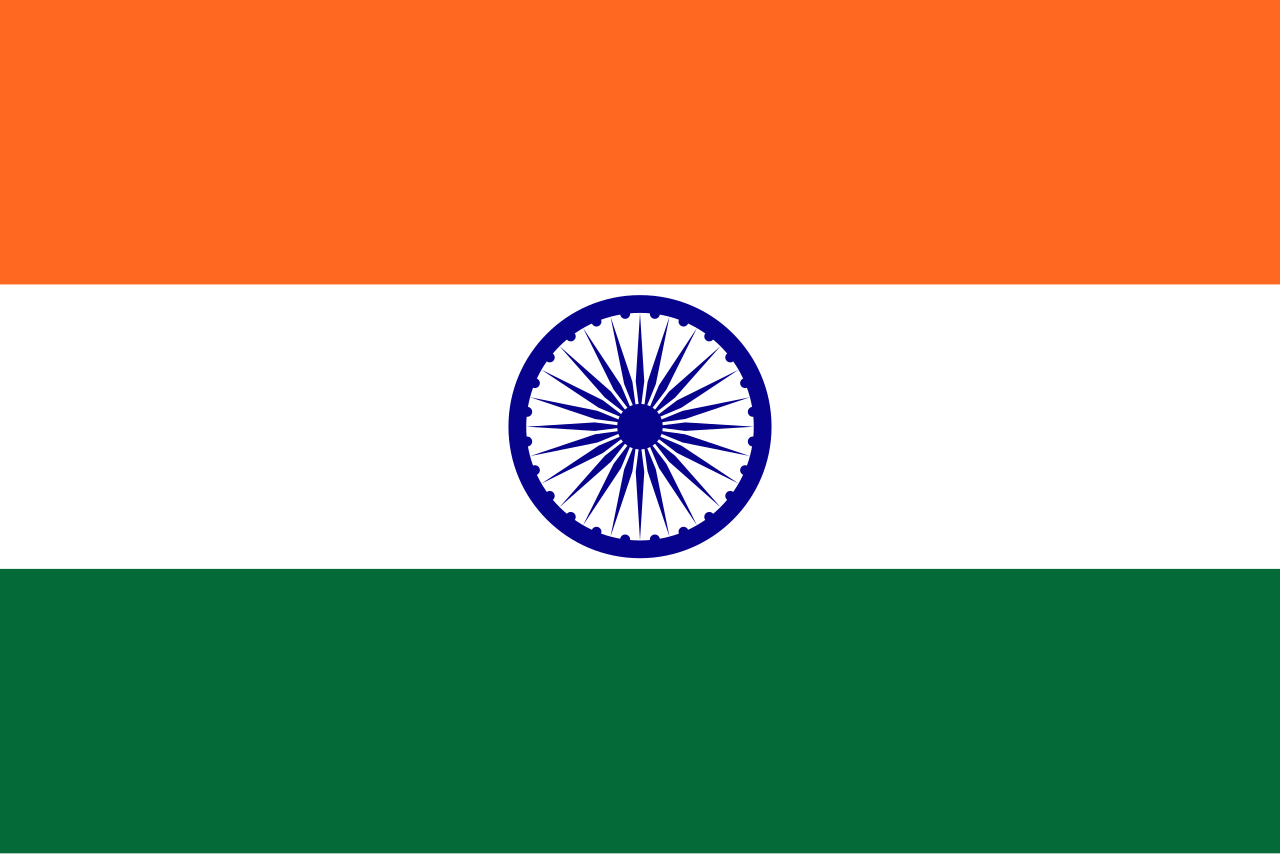
Unveiling India: A Tapestry of Geography, People, and Governance
India, a land of ancient civilizations and modern aspirations, stands as a subcontinent of unparalleled diversity. More than just a country, it's a vibrant mosaic where towering mountains meet sun-drenched beaches, bustling metropolises coexist with tranquil villages, and myriad cultures weave together to form a rich, dynamic identity. Understanding India requires delving into its multifaceted geography, its incredibly diverse populace, and the intricate workings of its democratic government. This article aims to provide a comprehensive overview, offering insights and facts that paint a vivid picture of this remarkable nation.
The Grandeur and Diversity of India's Geography
India's geographical features are as varied as they are breathtaking, playing a pivotal role in shaping its climate, culture, and economic activities. Situated in South Asia, it is the seventh-largest country by area, boasting a landmass that encompasses an extraordinary range of natural environments.
- Himalayan Sentinel: To the north, the majestic Himalayas form a formidable barrier, influencing monsoon patterns and serving as the source of several major rivers. These towering peaks are not just geographical marvels but also hold immense spiritual significance and are vital for regional biodiversity.
- Fertile Plains: South of the Himalayas lie the vast Indo-Gangetic Plains, nourished by the Indus, Ganges, and Brahmaputra rivers. This fertile land has historically been the cradle of civilizations and remains the agricultural heartland of India, supporting a significant portion of its population.
- Peninsular Plateau: The Deccan Plateau dominates the southern part of the country, characterized by ancient rock formations, hills, and river basins. Flanked by the Eastern and Western Ghats, this region contributes significantly to India's mineral wealth and diverse ecosystems.
- Coastal Expanses: India's extensive coastline, stretching over 7,500 kilometers, features beautiful beaches, lagoons, and deltas. These coastal regions are economic powerhouses, facilitating trade, fishing, and tourism. The Arabian Sea borders the west, and the Bay of Bengal lies to the east.
- Deserts and Islands: The Thar Desert in the northwest adds another dimension to India's terrain, while island territories like the Andaman & Nicobar Islands in the Bay of Bengal and the Lakshadweep Islands in the Arabian Sea offer unique ecological treasures and strategic importance.
Practical Tip: When exploring India, remember that climate varies drastically by region. Pack accordingly, whether you're trekking in the cool mountains or enjoying the tropical humidity of the south. Understanding these geographical divisions is key to appreciating India's regional identities and challenges.
A Kaleidoscope of People and Culture
India is home to over 1.4 billion people, making it the world's most populous nation. This immense population is a melting pot of ethnicities, languages, religions, and traditions, making Indian culture one of the richest and most complex globally.
- Linguistic Diversity: India officially recognizes 22 languages, but hundreds of dialects are spoken across the country. Hindi is the most widely spoken, followed by Bengali, Marathi, Telugu, Tamil, and Gujarati. This linguistic variety often aligns with regional identities, showcasing the depth of cultural differences.
- Religious Harmony (and Challenges): India is the birthplace of four major religions—Hinduism, Buddhism, Jainism, and Sikhism—and is also home to significant populations of Muslims, Christians, and others. While secularism is enshrined in its constitution, the interplay of these faiths profoundly influences daily life, festivals, and social norms.
- Social Fabric: Historically, Indian society has been structured by the caste system, though it is now legally abolished and discrimination based on caste is prohibited. Family values remain paramount, with extended families often living together and community ties being very strong. Festivals like Diwali, Eid, Christmas, and Holi are celebrated with immense fervor, bringing communities together.
- Arts and Entertainment: Indian culture is expressed through a rich tapestry of performing arts—classical dance forms like Bharatanatyam and Kathak, diverse musical genres, and a prolific film industry (Bollywood, Tollywood, Kollywood, etc.) that produces more movies than any other country globally. The passion for collective experiences extends beyond formal arts; for instance, a thrilling India-England semi-final cricket match can galvanize the entire nation, showcasing a unique blend of competitive spirit and shared cultural identity.
Insight: The "unity in diversity" often attributed to India is not merely a slogan but a lived reality. Engaging with local people, trying regional cuisines, and participating in festivals offers the most profound understanding of its vibrant human landscape. The demographic dividend, with a large young population, also presents both opportunities and challenges for the nation's future development.
India's Democratic Framework: Government Facts
India proudly stands as the world's largest democracy, a parliamentary republic with a robust constitutional framework that ensures governance for its vast and diverse population. Its governmental structure is designed to balance central authority with regional autonomy.
Key Aspects of Indian Governance:
- Constitutional Republic: India operates under a comprehensive constitution adopted in 1950, which declares it a sovereign, socialist, secular, and democratic republic. It guarantees fundamental rights to its citizens and outlines the duties of the state.
- Parliamentary System: Following the Westminster model, India has a parliamentary system of government. The President is the Head of State, while the Prime Minister, leading the majority party or coalition in the Lok Sabha (House of the People), is the Head of Government.
- Bi-cameral Legislature: The Indian Parliament consists of two houses:
- Lok Sabha (House of the People): Members are directly elected by universal adult franchise, representing the people of India.
- Rajya Sabha (Council of States): Members are indirectly elected by the state legislative assemblies, representing the states and union territories.
- Federal Structure: India is a federal union of 28 states and 8 union territories. Each state has its own elected government, legislative assembly, and administrative machinery, while union territories are governed directly by the central government, often through an appointed administrator. This federal design accommodates regional distinctiveness while maintaining national unity.
- Independent Judiciary: India has an independent judiciary with the Supreme Court at its apex, followed by High Courts in states and a hierarchy of subordinate courts. The judiciary acts as the guardian of the constitution and protector of citizens' rights.
Fact: General elections in India are the largest democratic exercise in the world, involving hundreds of millions of voters. The Election Commission of India plays a monumental role in ensuring free and fair polls, a testament to the nation's commitment to democratic principles. This intricate system allows for the representation of diverse viewpoints, crucial for a country as varied as India.
For a deeper dive into how these elements have shaped the nation, consider exploring Exploring India: History, Land, Population, and Economy.
Conclusion
India is a land of fascinating contrasts and compelling narratives. From the snow-capped peaks of the Himalayas to the bustling economic hubs driven by its youthful populace, and from its foundational democratic principles to the everyday cultural expressions that unite millions, India offers an unparalleled experience. Its geography dictates its diverse life, its people are its vibrant soul, and its government provides the democratic framework that holds this incredible tapestry together. Understanding these core facets is essential to appreciating India's profound influence on the world stage and its continuing journey of growth and transformation.